
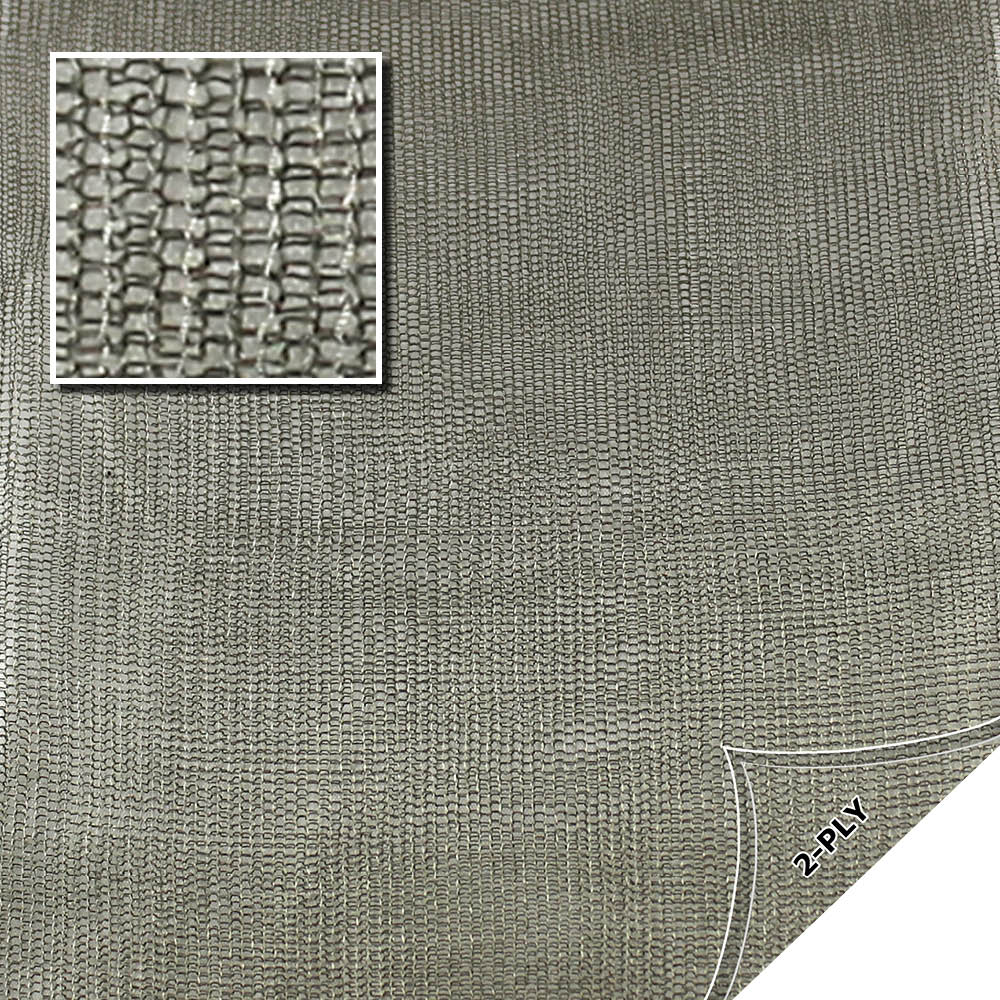
SHX 2 is an RF shield made of 2-layer, tinned copper wire mesh with a continuous grounding strand. The material is designed for high flexibility and is used as a shielding solution for various enclosures.
Typical material properties
- 2-ply tinned copper wire (wire diameter approx. 0.2 mm)
- Weight per unit area: 740 g/m²
- Temperature range: -40 °C to +105 °C
- Shielding properties: 100 kHz to 1 GHz, 40–80 dB
- Self-extinguishing; UV/ozone resistant and rot-proof (according to data sheet)
- Available on rolls: 50 m
Typical areas of application
- EMC/RF shielding with high flexibility requirements
- Shielding of cables and cable bundles
- Industrial applications with a defined shielding area
Specifications
- Material:2-layer tinned copper wire Ø 0.2mm Combinable sheaths: GPs, GP 05, GPs/63, 63-05, VNH, VNL, Trevira, Zipvira
- Basis weight:740g/m²
- Closure:all types of closure, zipper from D 16mm)
- Grounding wire:optional
- Diameter:12/16/20mm, upwards 5mm each
- Color:Black, VNH: grey, other colours on request
- Wall thickness:0.2-0.6mm, depending on the sheath
- Temperature range:-40 to + 105
TREVIRA up to 160°C,
ZIPVIRA up to 125°C - Self-extinguishing:Yes
- UV-resistant:Yes
- Ozone resistant:Yes
- Rot-proof:Yes
- Dielectric strength:11-35kV/mm depending on the sheath
- Available on rolls:50m
Shielding Effectiveness
SHX-2 (SNCU)

Specifications are subject to change without notice. All statements and technical information contained herein are based on tests we believe to be reliable, but accuracy or completeness cannot be guaranteed under all circumstances. Before using Zipper-technik products, the user must determine suitability for the intended use and assumes full responsibility for improper selection. Zipper-technik shielding published attenuation values have been verified by laboratory testing of the respective shielding materials. Actual installed attenuation values may vary due to installation techniques and final assembly parameters that are beyond Zipper-technik's control. Actual attenuation values can only be determined by the end user testing the finished assembly.