


ZTDr-x-SAM-1000, Heat-shielded cable bundling
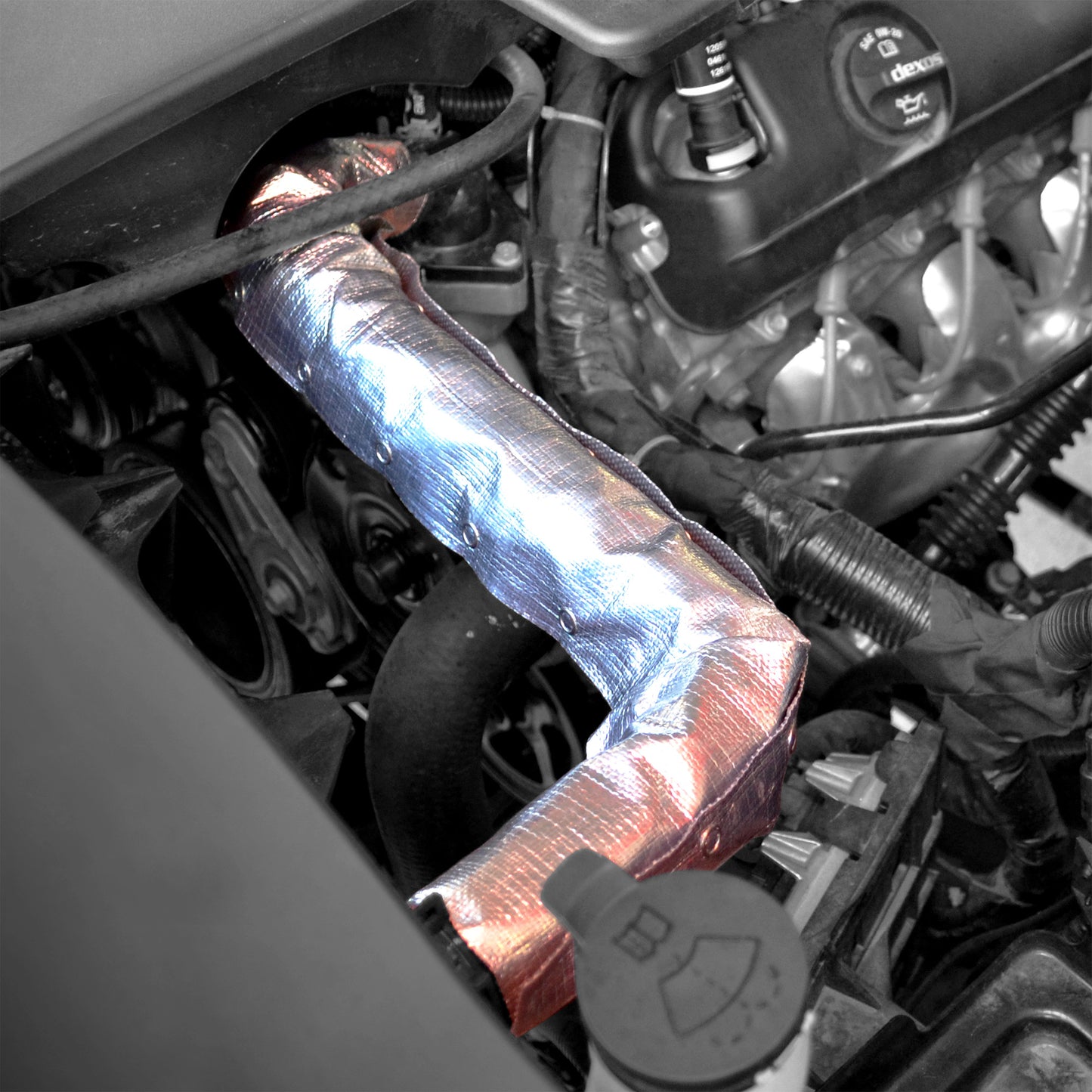
A heat protection solution featuring a silicone and polymer coated fiberglass jacket with stainless steel fasteners that protects components from temperatures up to 240°C.
 Print Datasheet
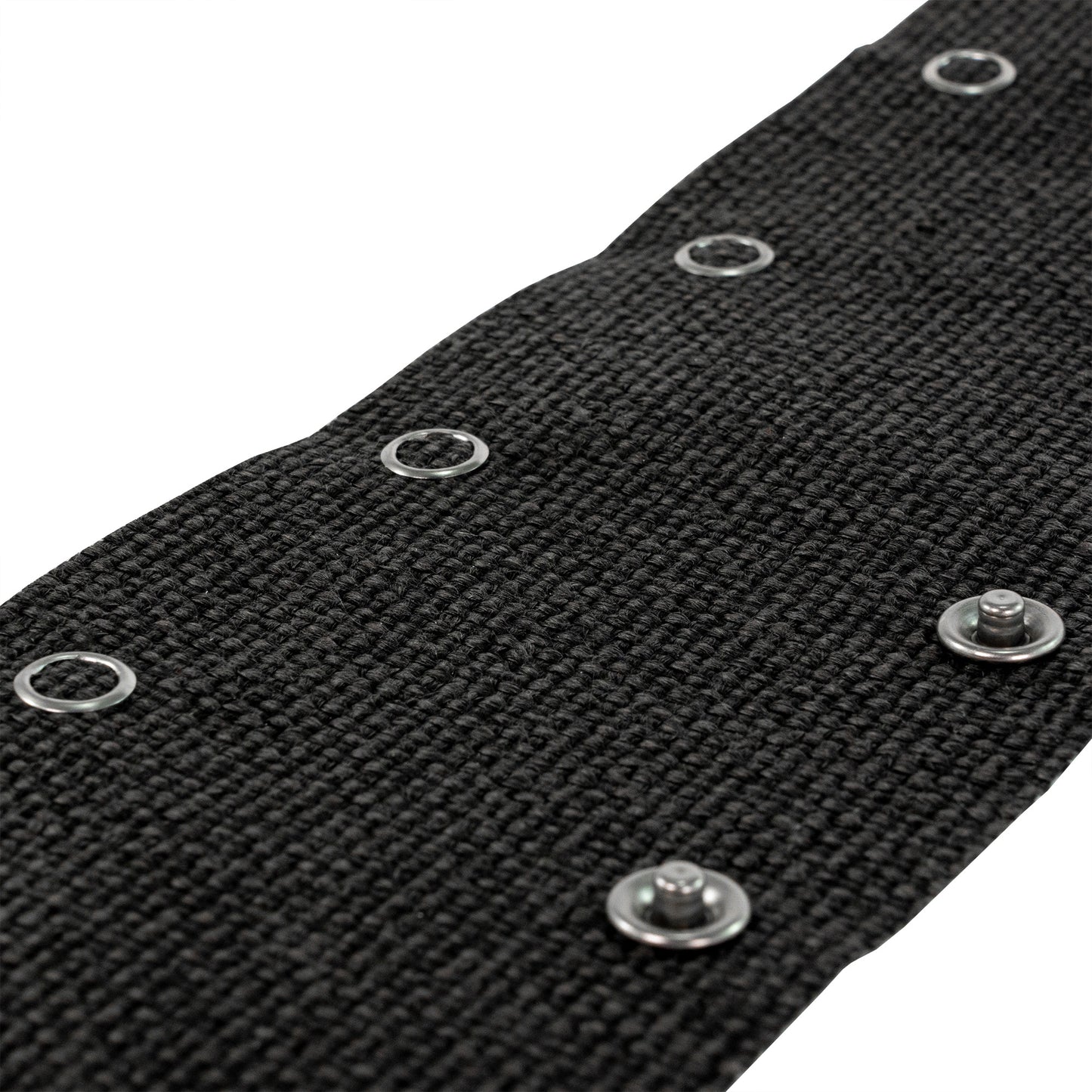
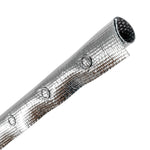
Aluminum foil laminated with ZT Flex-HT 250 W silicone adhesive onto E-glass fabric, black backing. Continuous operating temperature up to max. 240°C. Available in various diameters and with different closure systems. Typical applications: automotive, transportation.
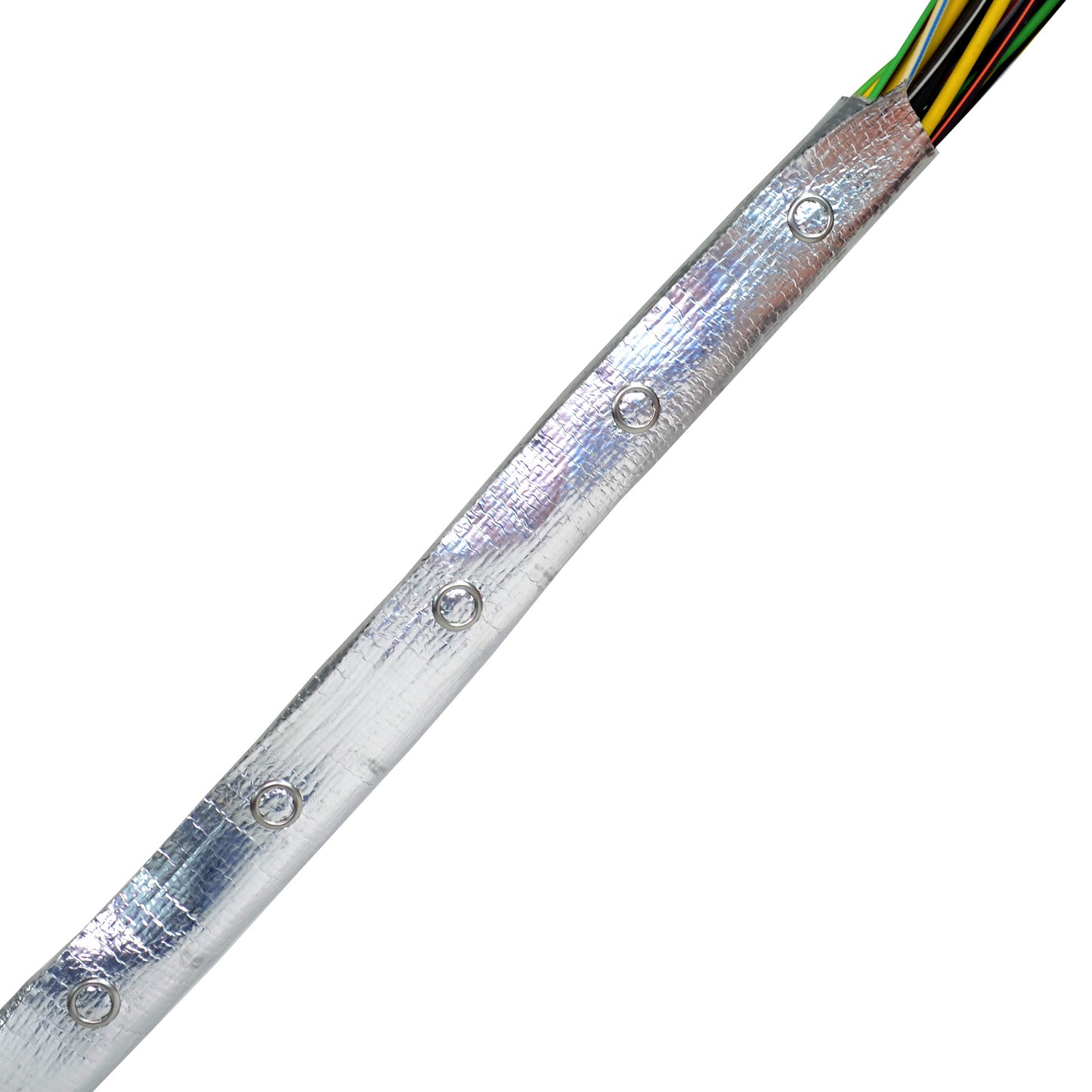
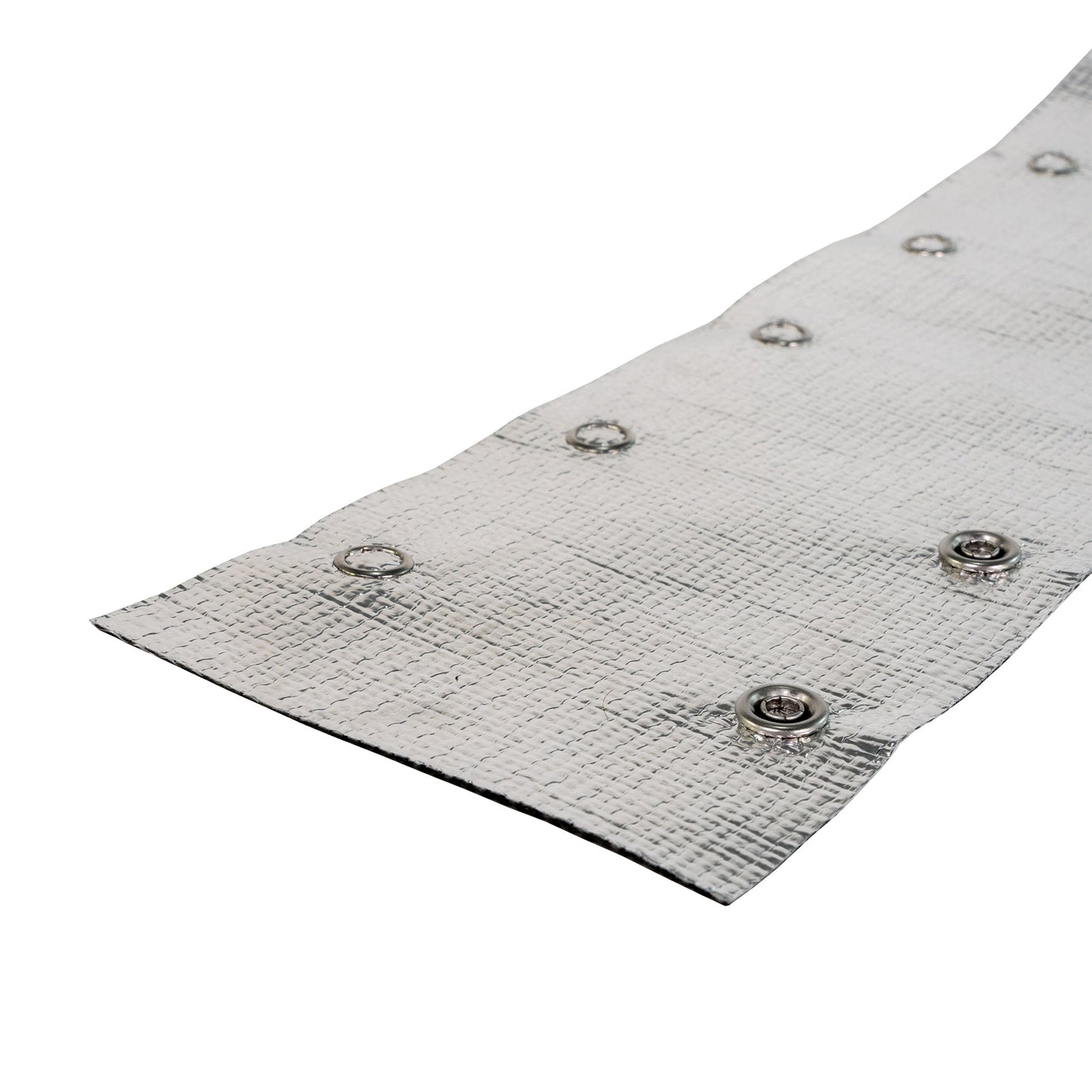
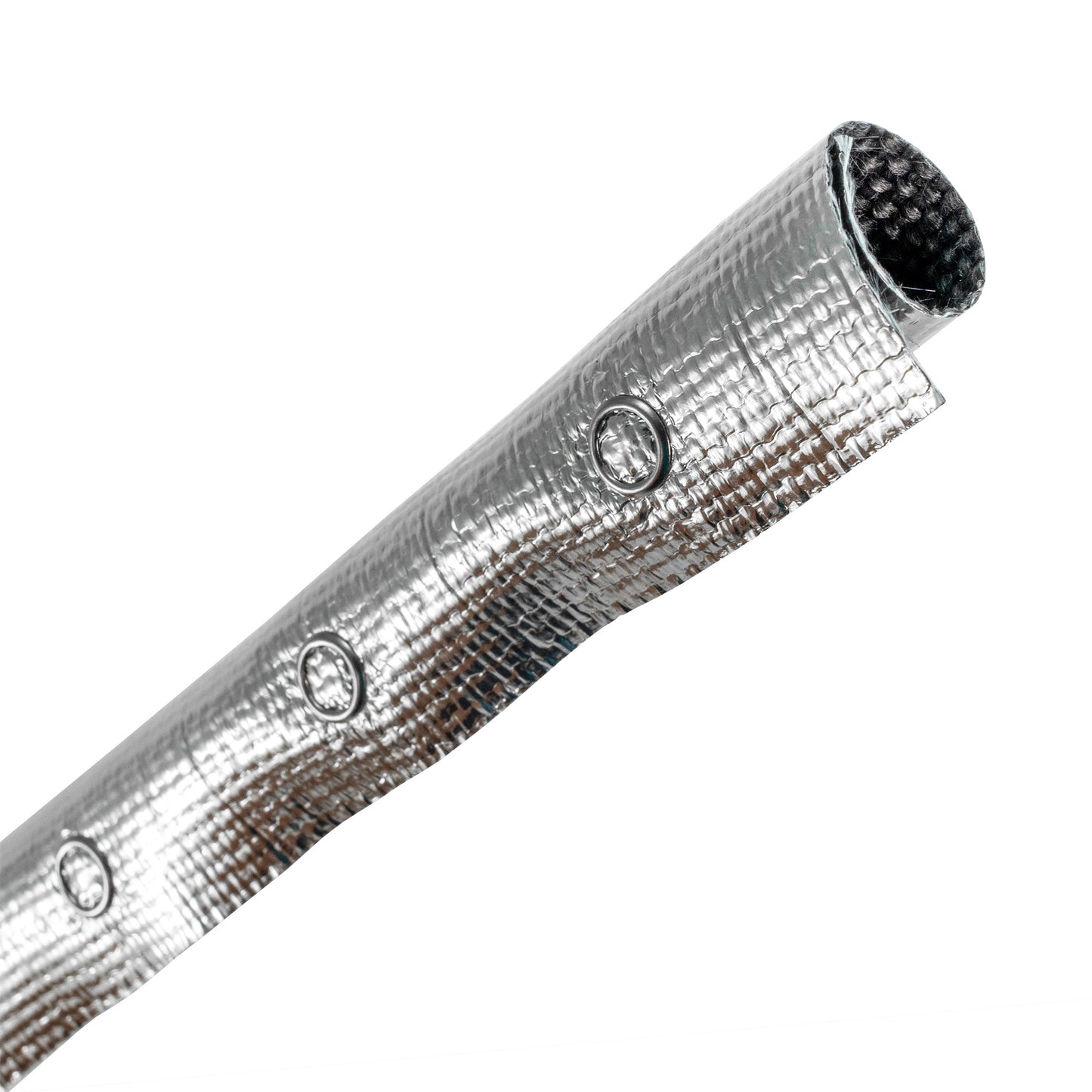
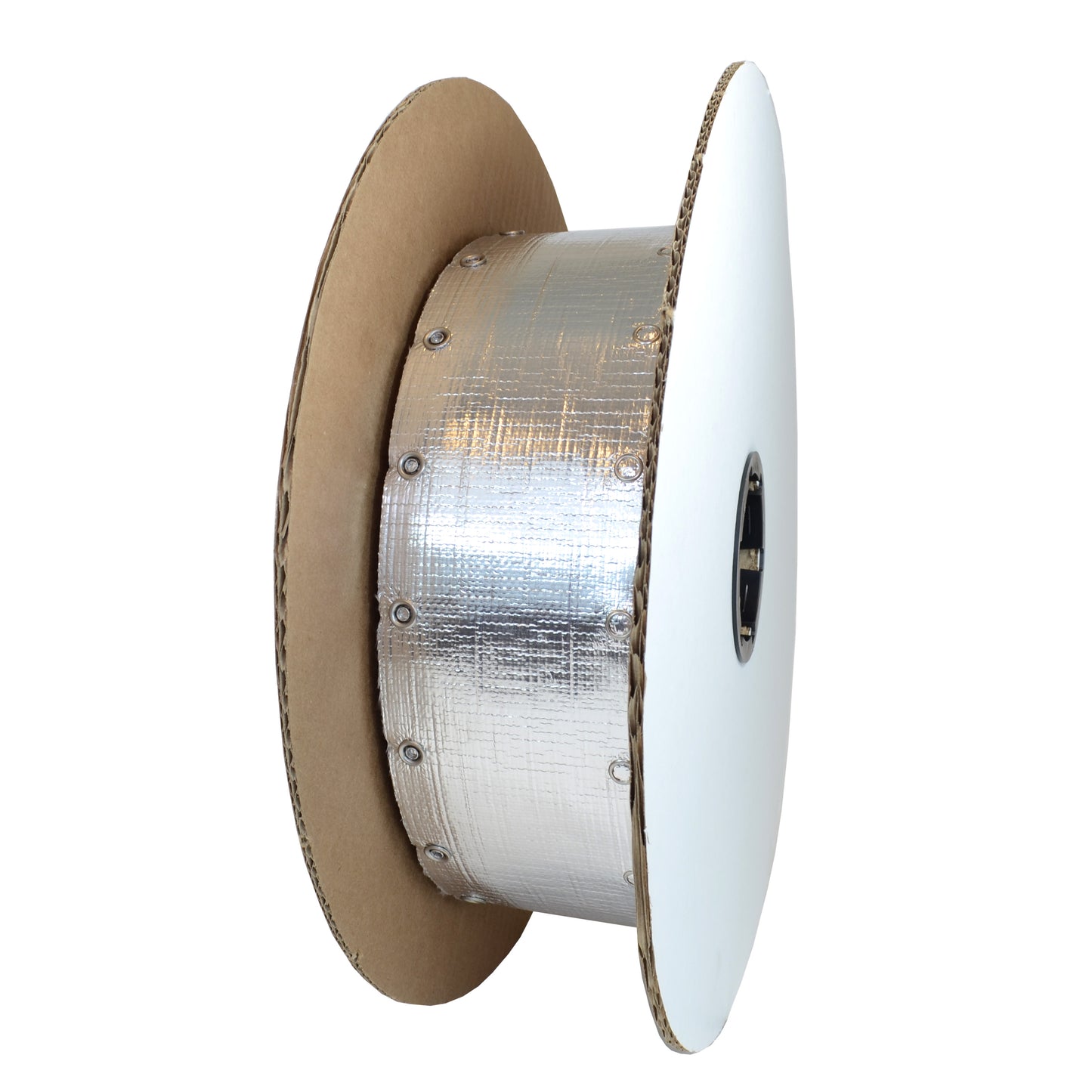
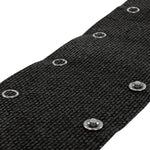
The ZTDr-X-SAM 1000 is an innovative heat protection and cable sheathing solution consisting of siliconized, polymer-coated fiberglass with an outer aluminum coating. For ease of handling and installation, the product is equipped with stainless steel snap fasteners.
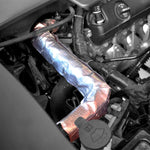
This high-performance sheathing withstands temperatures up to 240°C and is therefore ideal for protecting wires and cables that are continuously exposed to high thermal stresses. Thanks to its robust construction, the SAM-1000 sheathing offers excellent abrasion resistance, making it particularly suitable for use in the automotive, commercial vehicle, and bus industries.
Furthermore, the material is characterized by its self-extinguishing properties and has been tested for its fire behavior in accordance with ECE R-118.04, Annexes 6, 7, 8 and 9.
The high-quality stainless steel snap fasteners allow for quick installation and easy access to the sheathed components. Furthermore, the space between the snap fasteners allows wires and cables to be routed through without cutting the sheathing. The material can be cut to the desired length if needed.
For applications requiring tool-free, time-saving assembly without disassembling existing components, the ZTDr-X-SAM 1000 represents an optimal solution.
The ZTDr-X-SAM 1000 is available in diameters from 16 mm to 170 mm. Custom designs are available upon request. The operating temperature range of the ZTDr-X-SAM 1000 is -50°C to 240°C and up to 270°C for short periods.
Advantages:
- High-quality heat protection and reliable cable sheathing up to 240°C (briefly up to 270°C)
- Resealable design for maximum flexibility and ease of use
- Easy assembly and individual customization options
Areas of application:
- Automotive industry and transport
- Mechanical engineering and industrial applications
Material Specification


ZTDr-x-SAM-1000, Heat-shielded cable bundling
ZTDr-x-SAM-1000, Heat-shielded cable bundling