Skip to product information
1 of 12

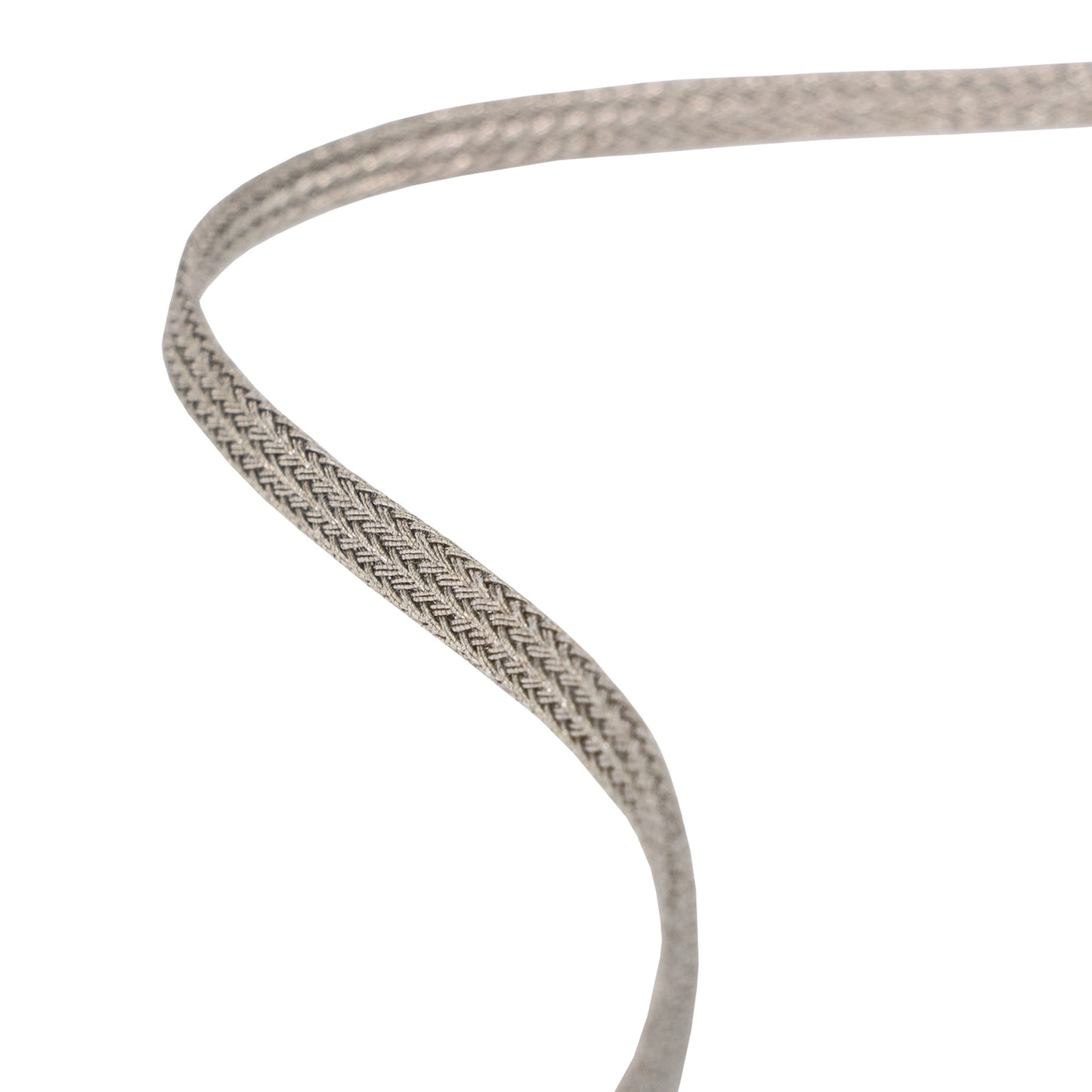
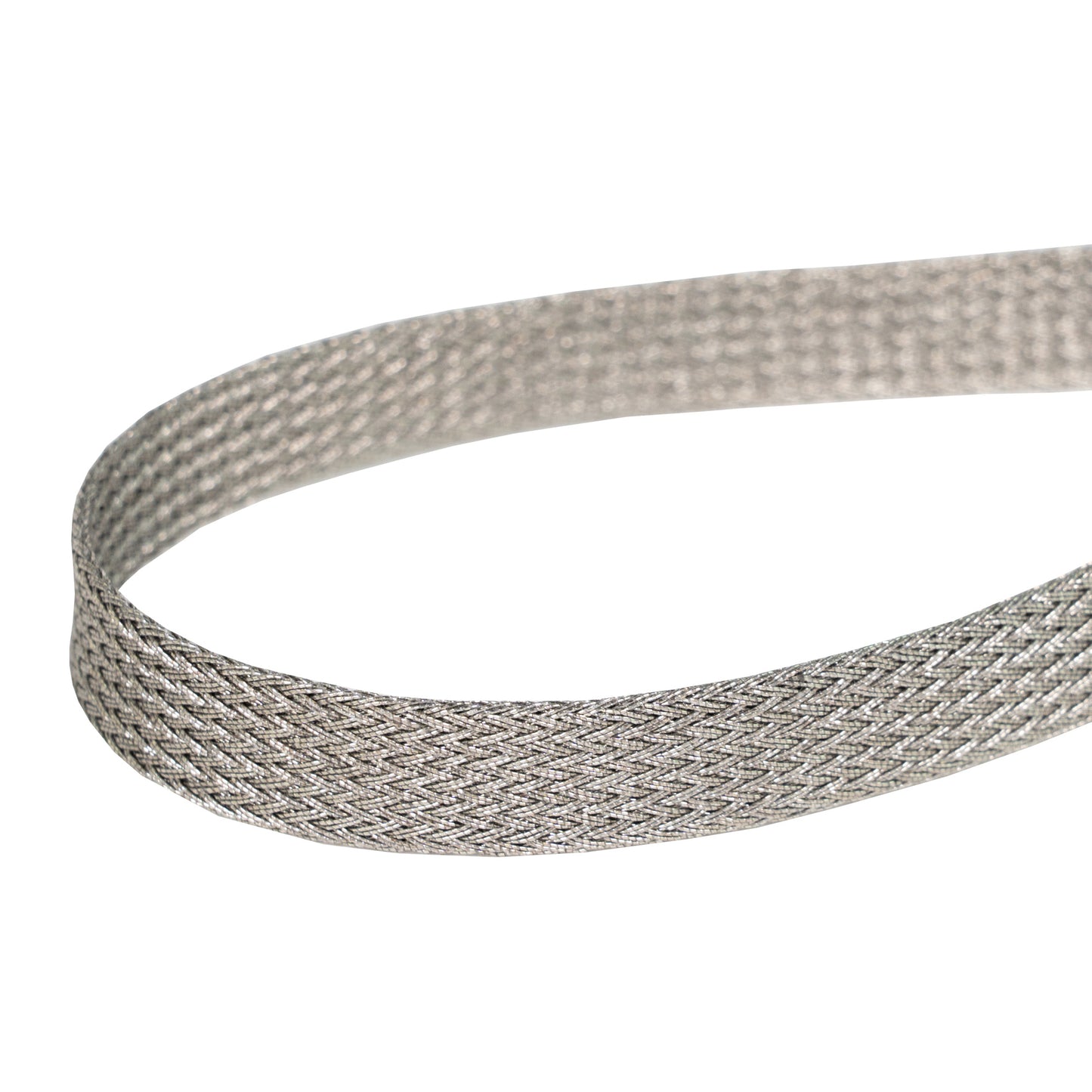
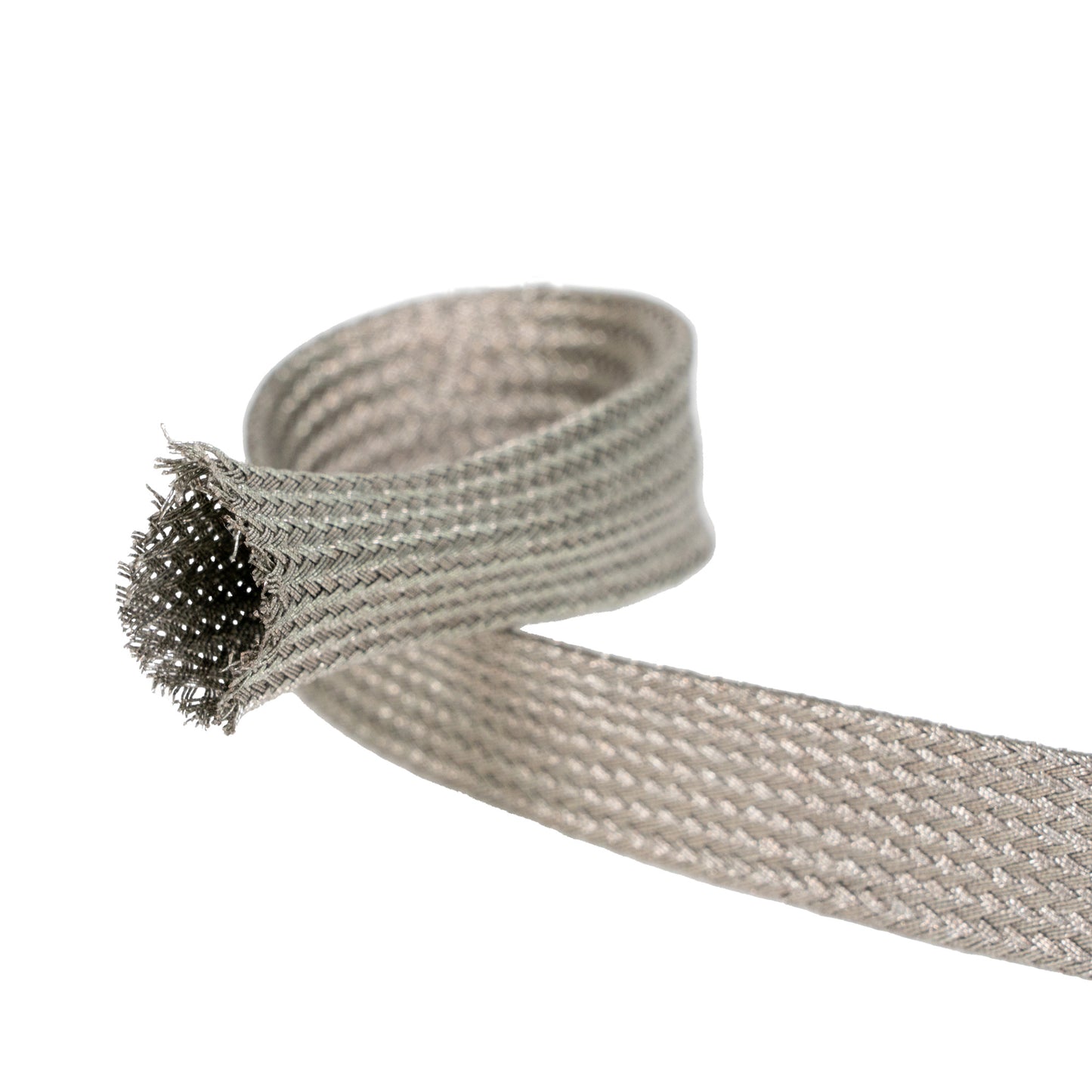
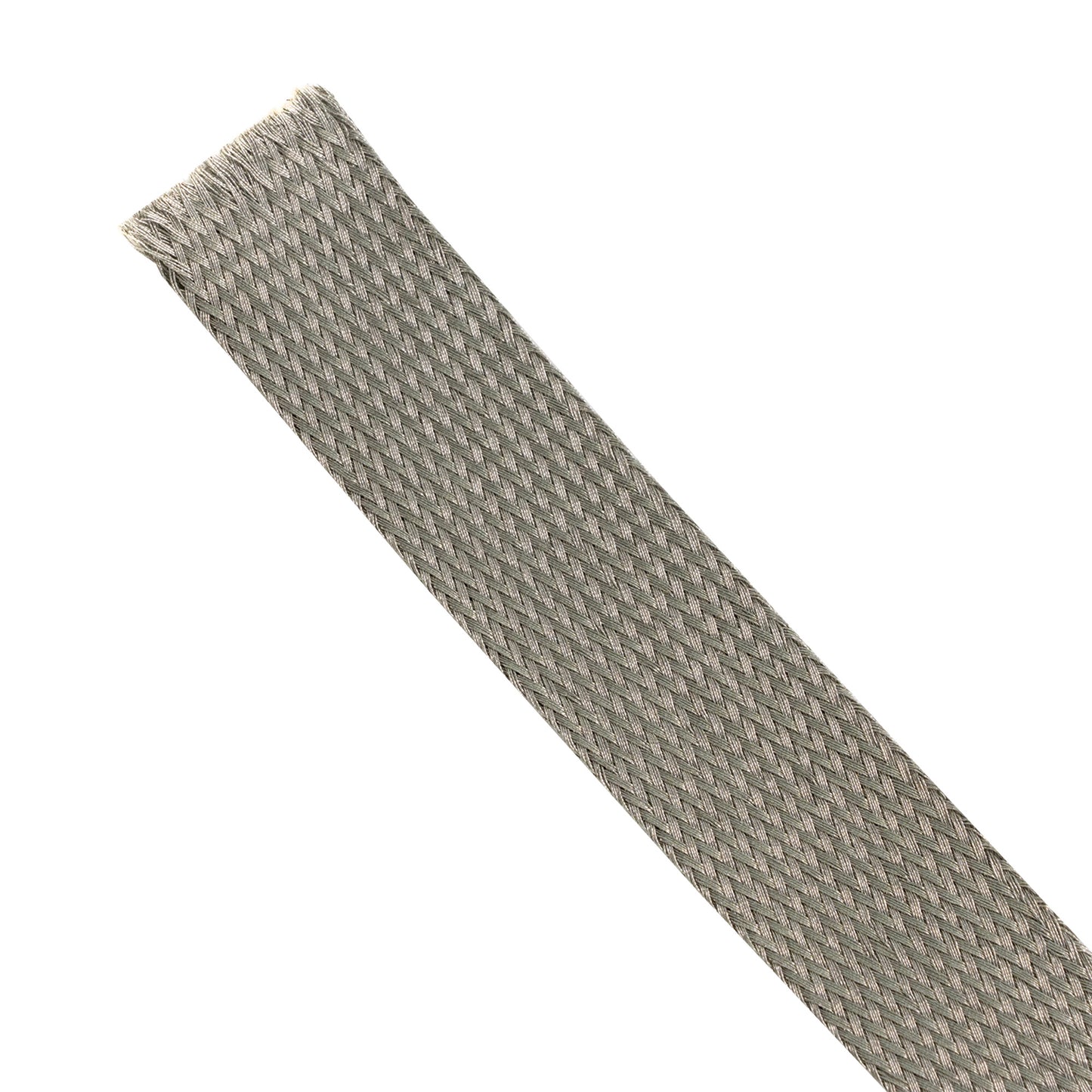
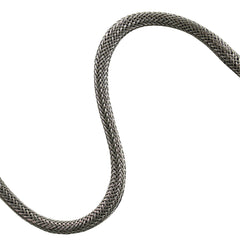
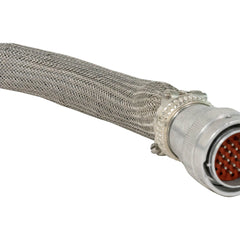
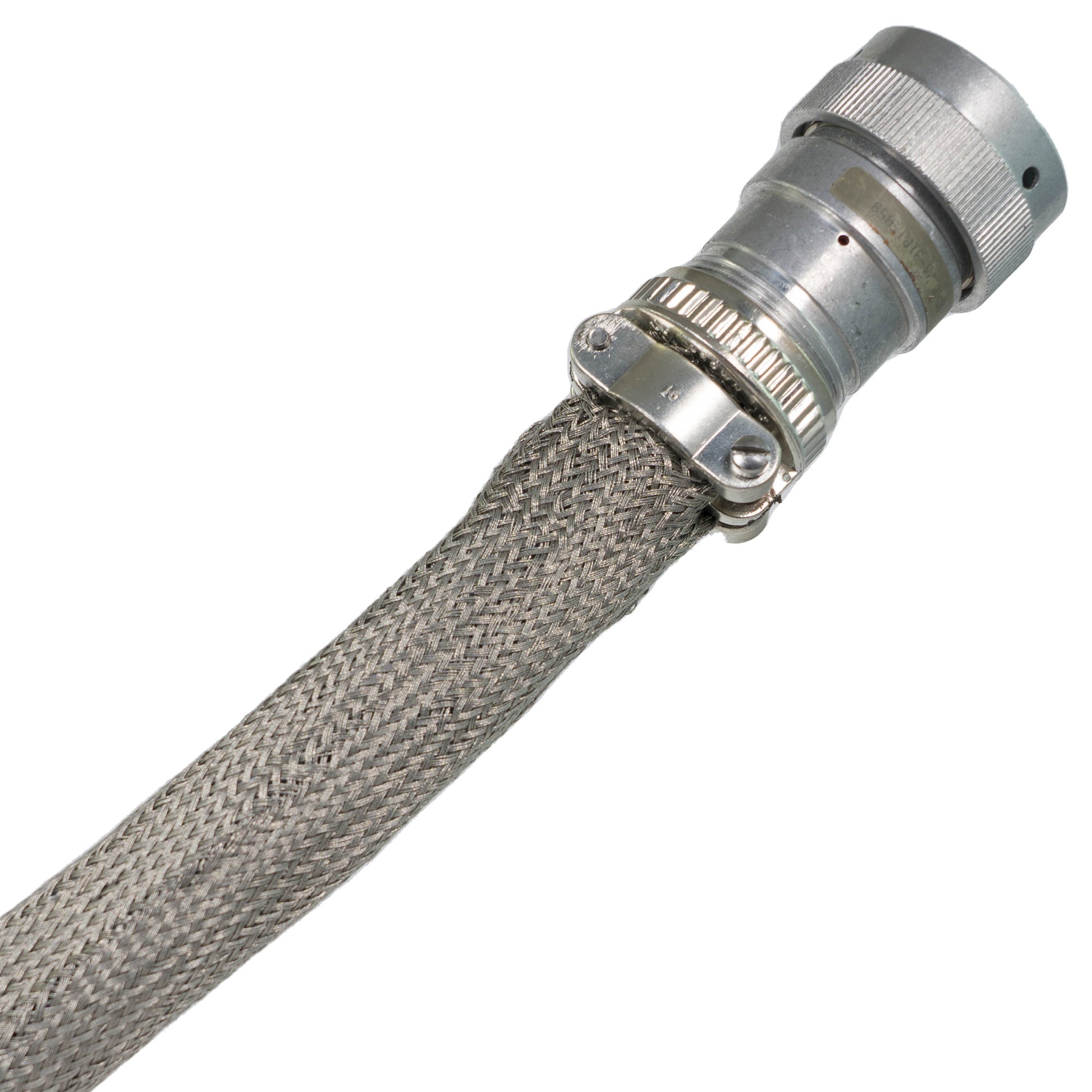
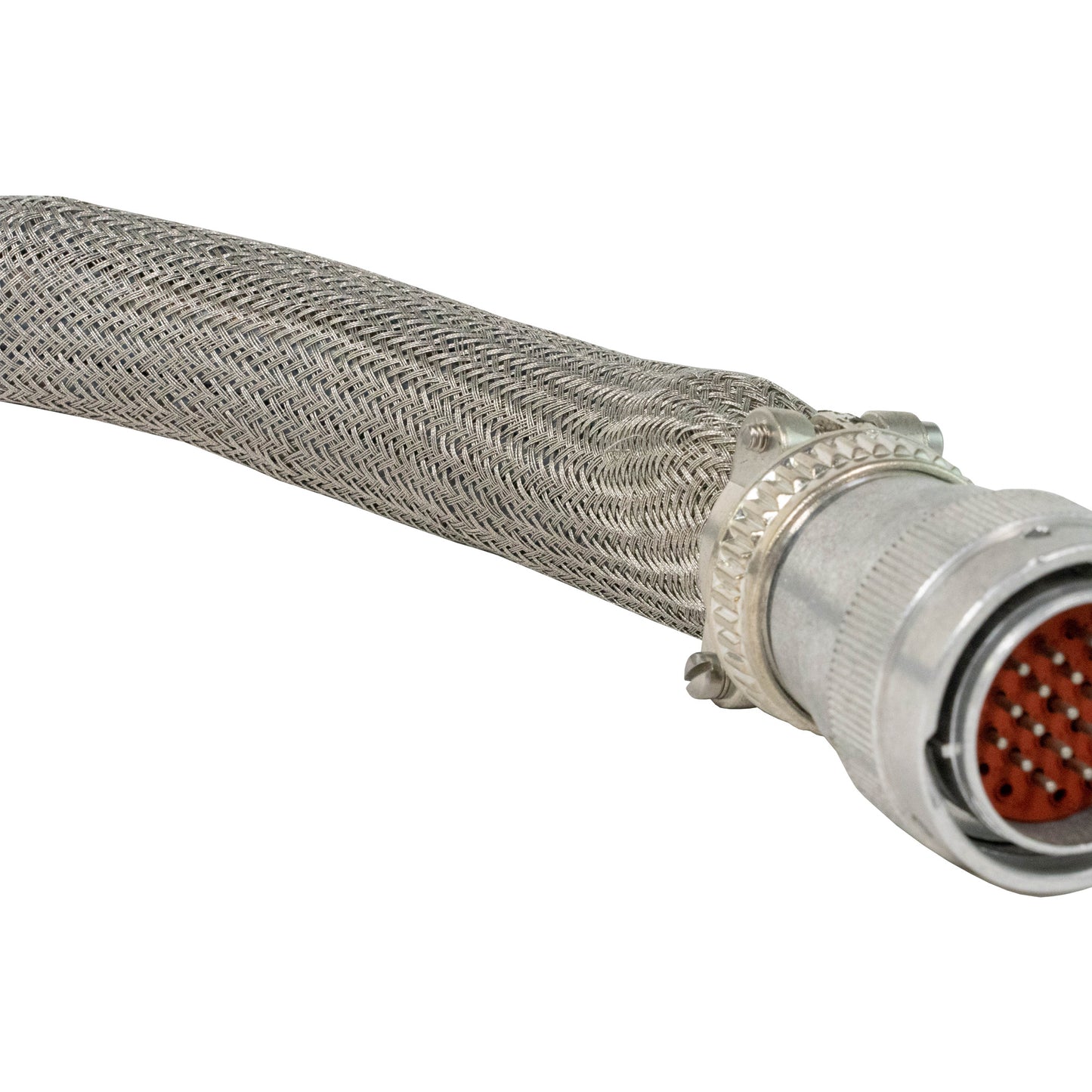
ZT-xZ-Shield-Flex, braided EMI shielding sleeve

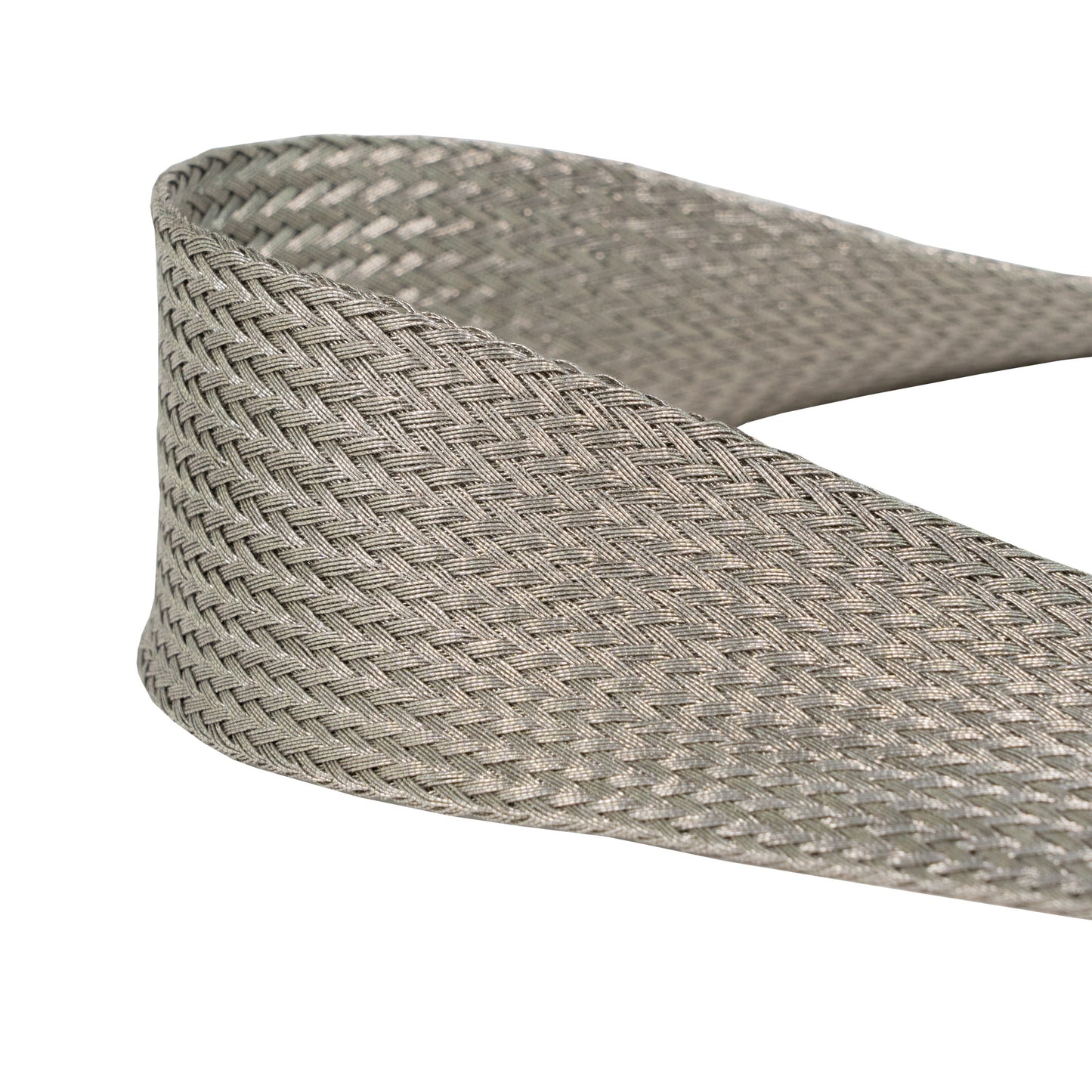
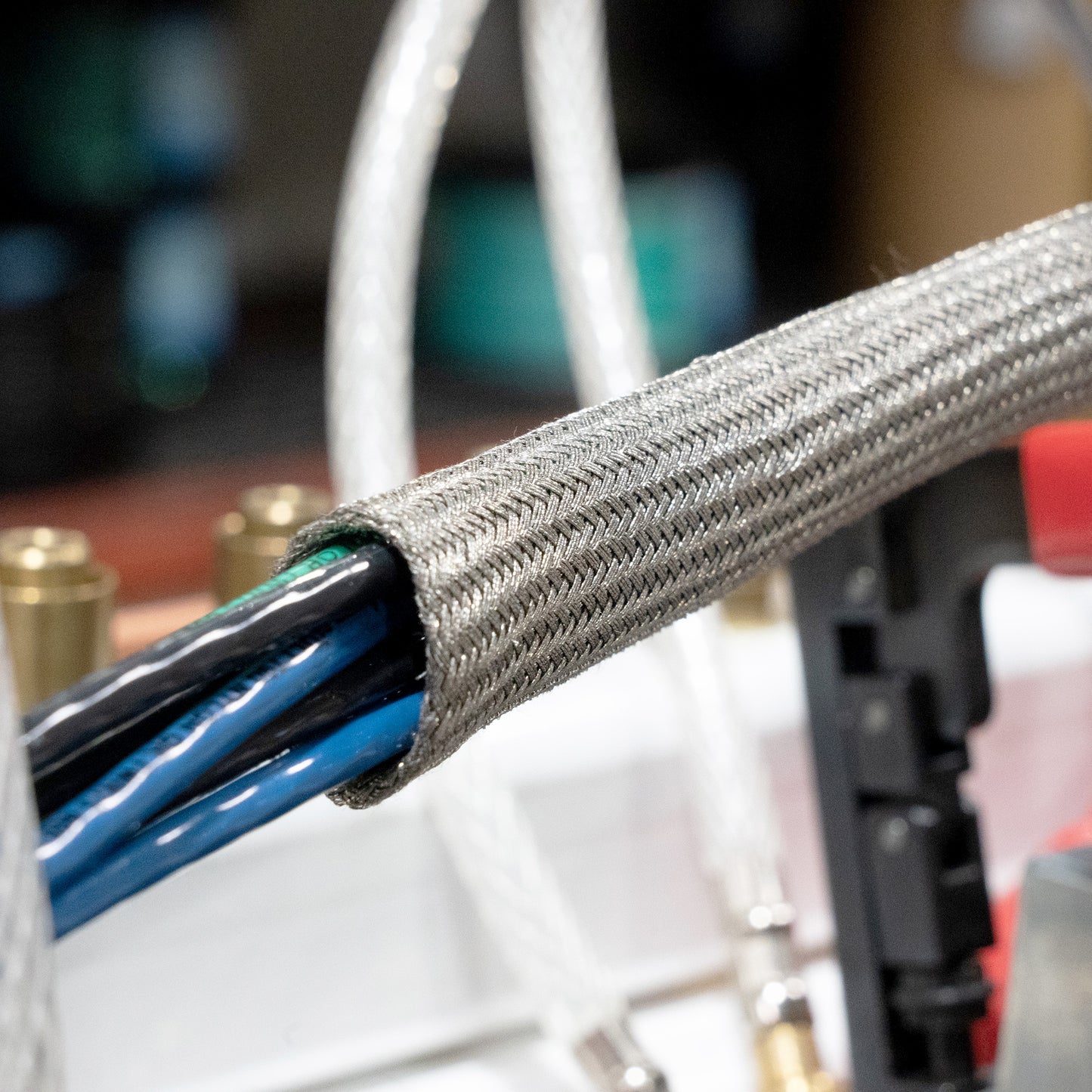
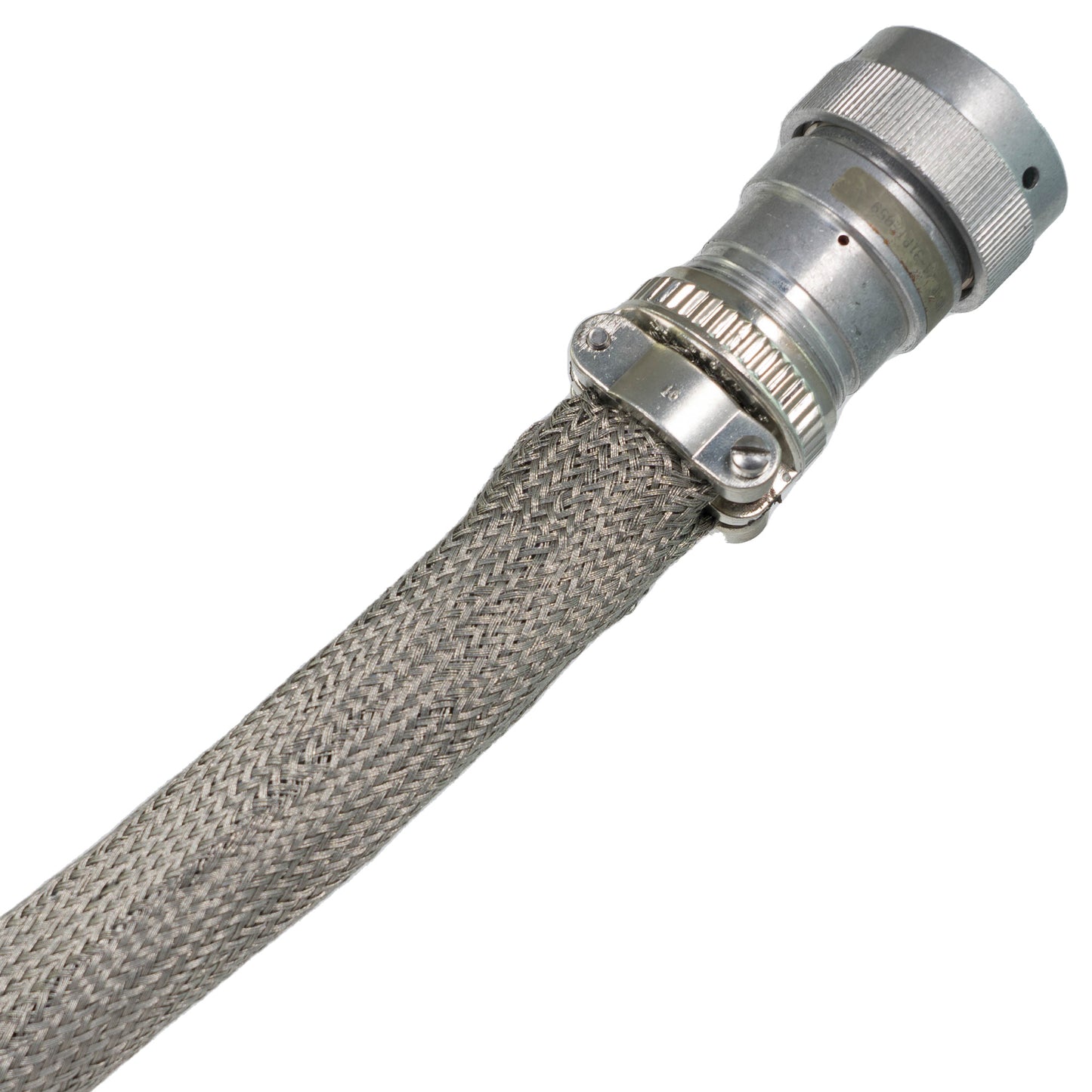
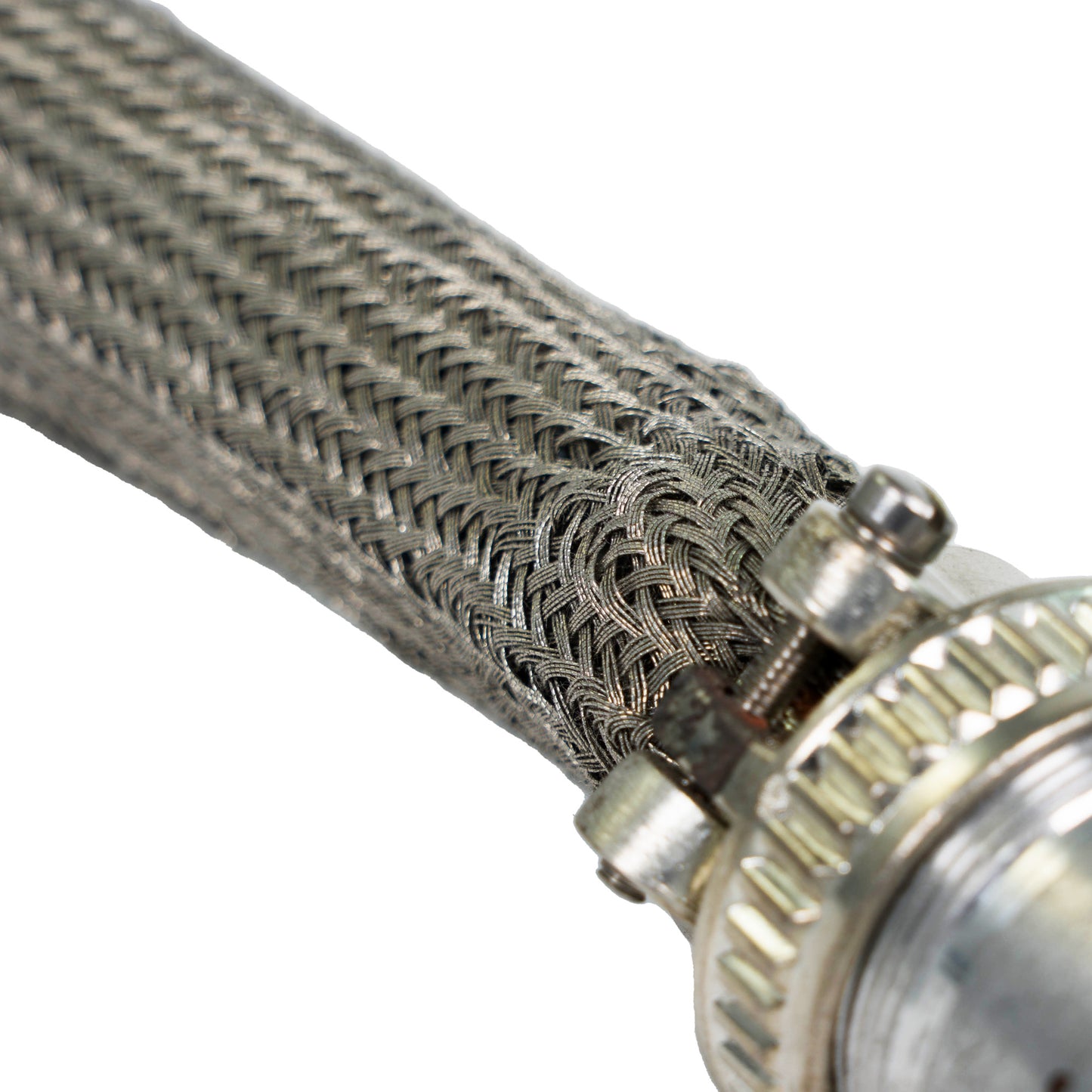
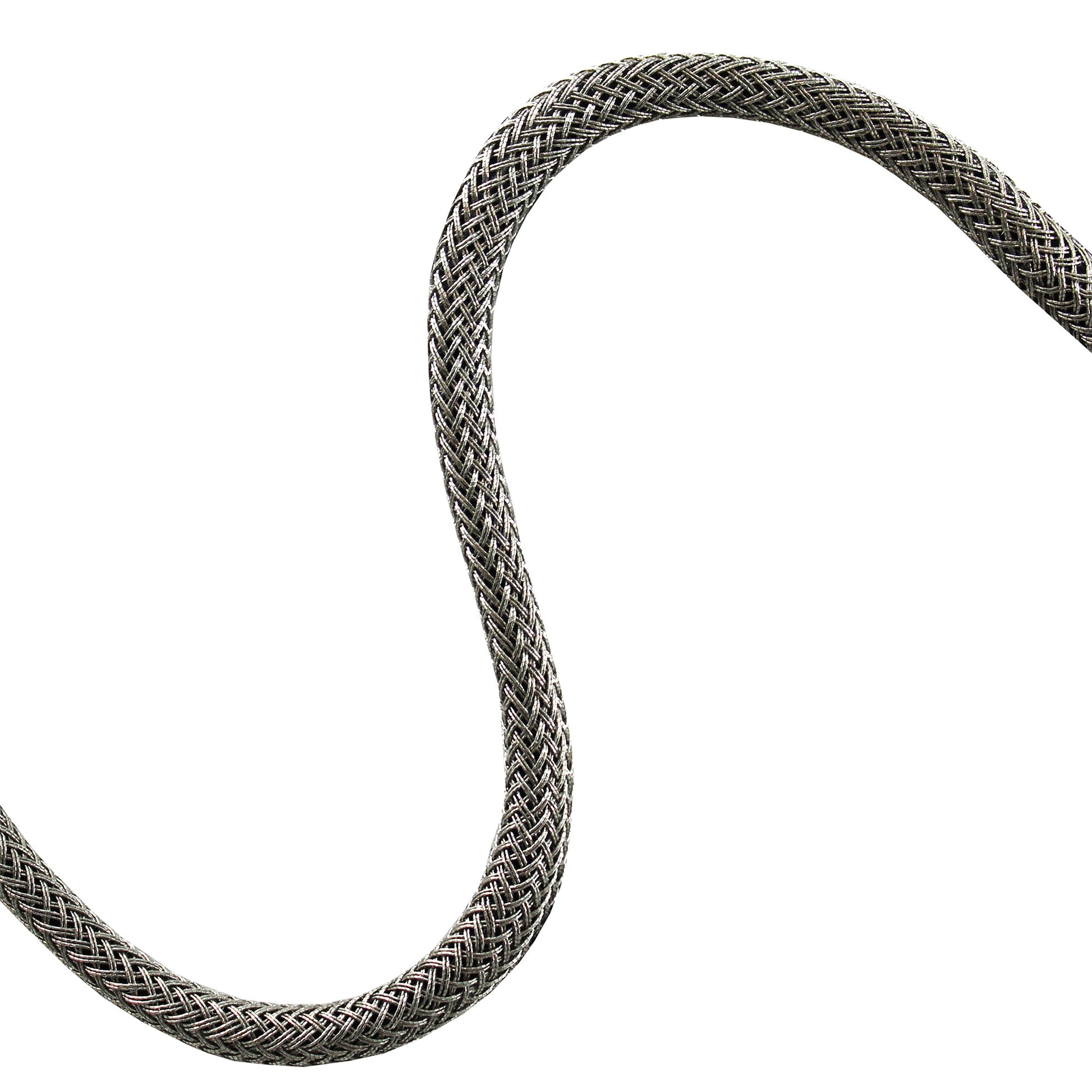
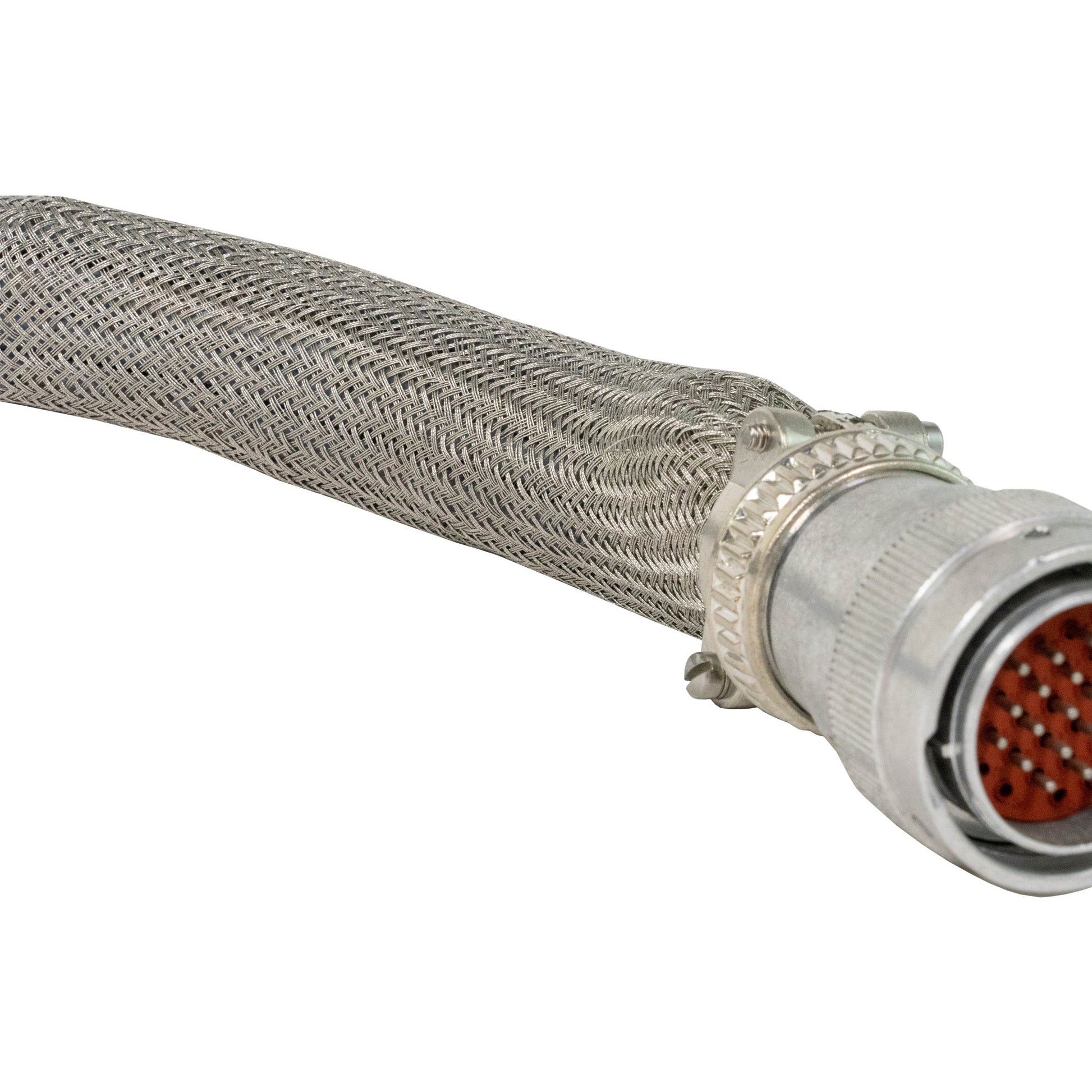
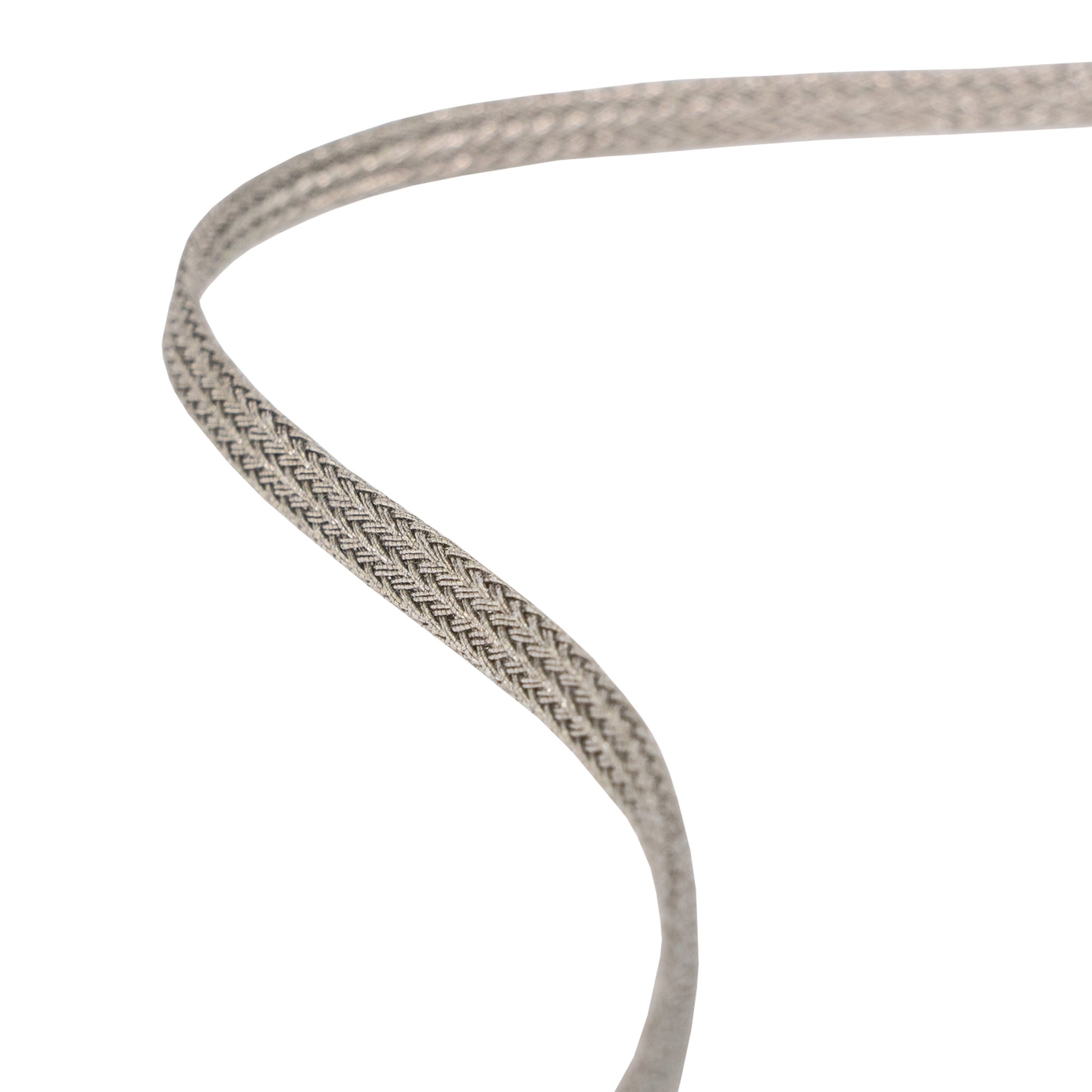
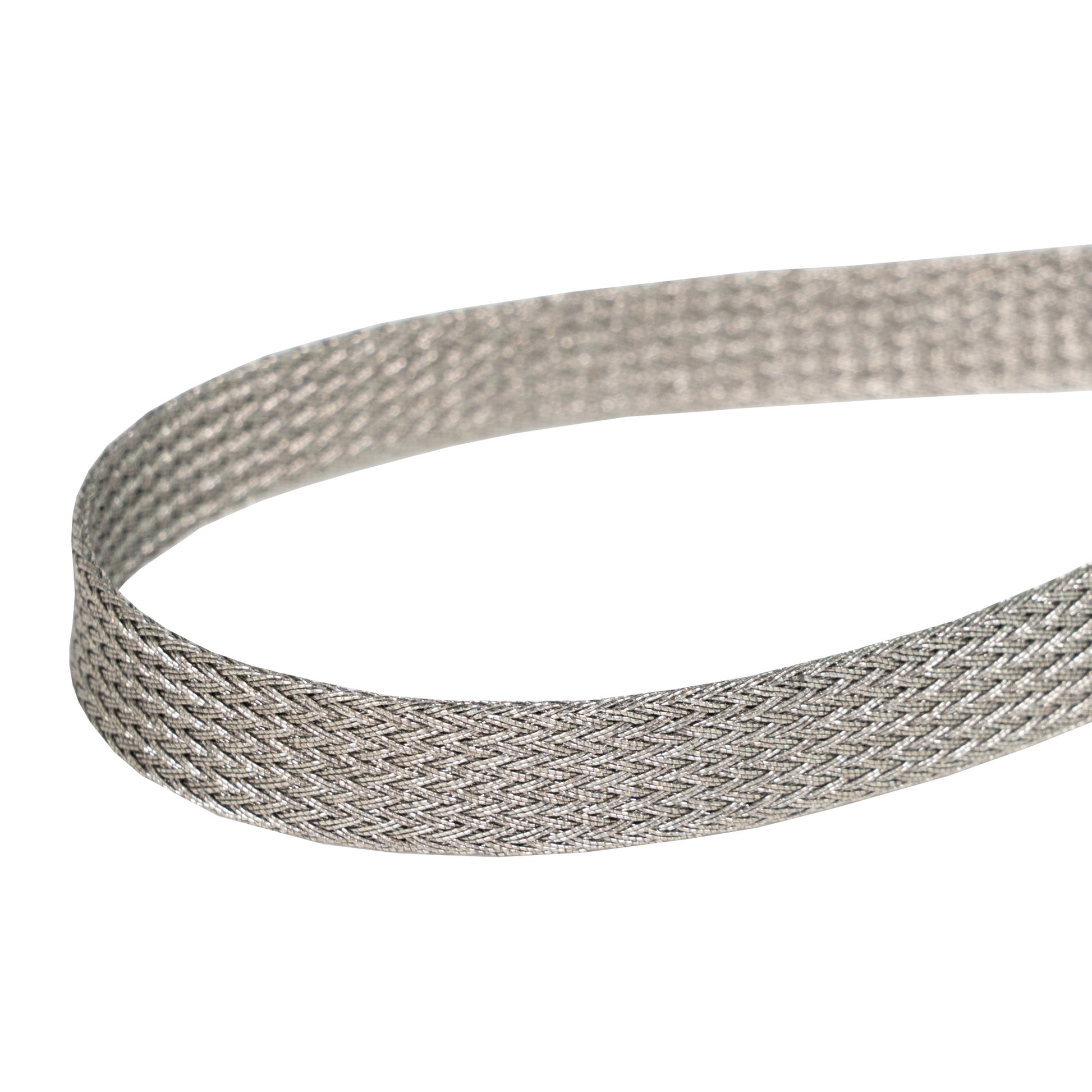
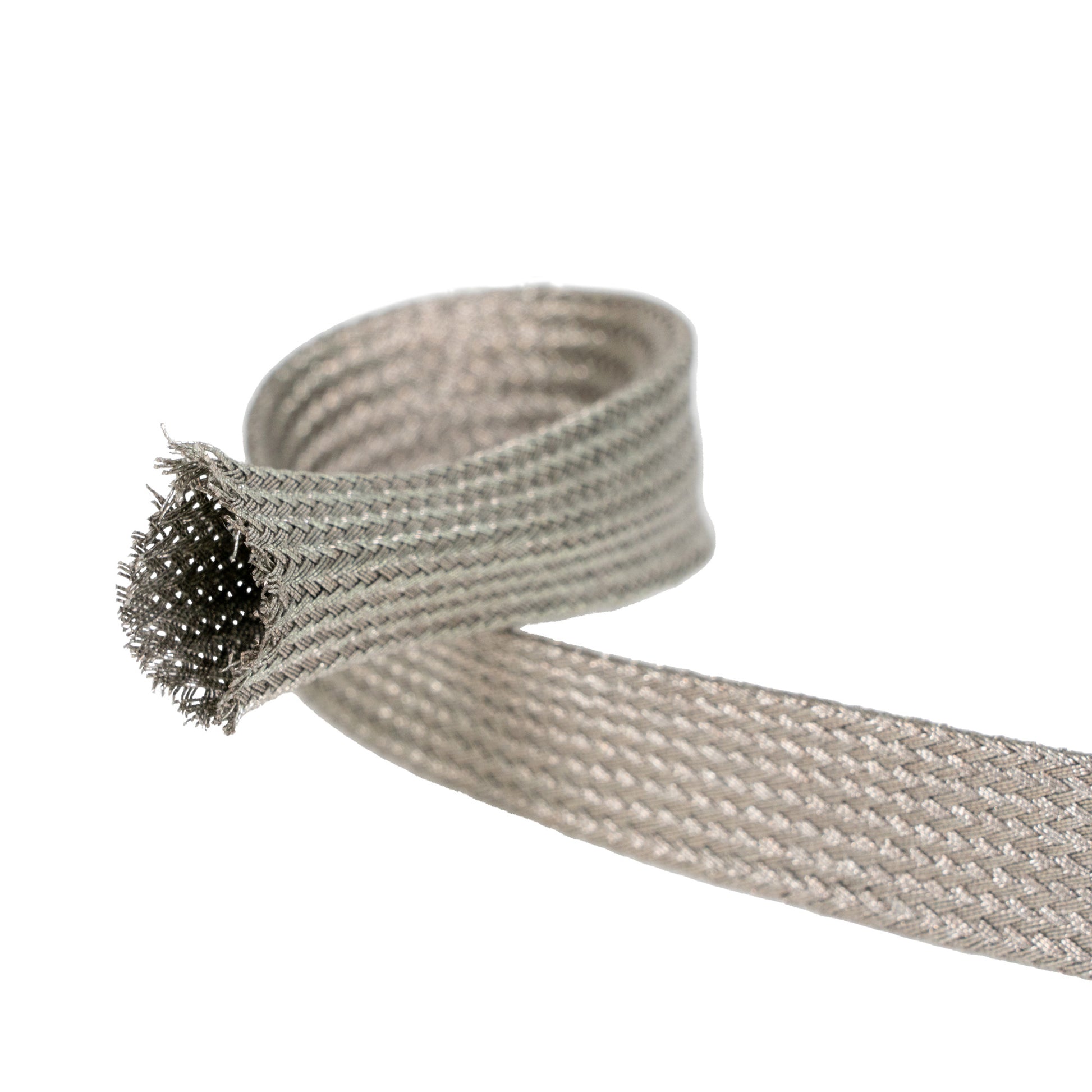
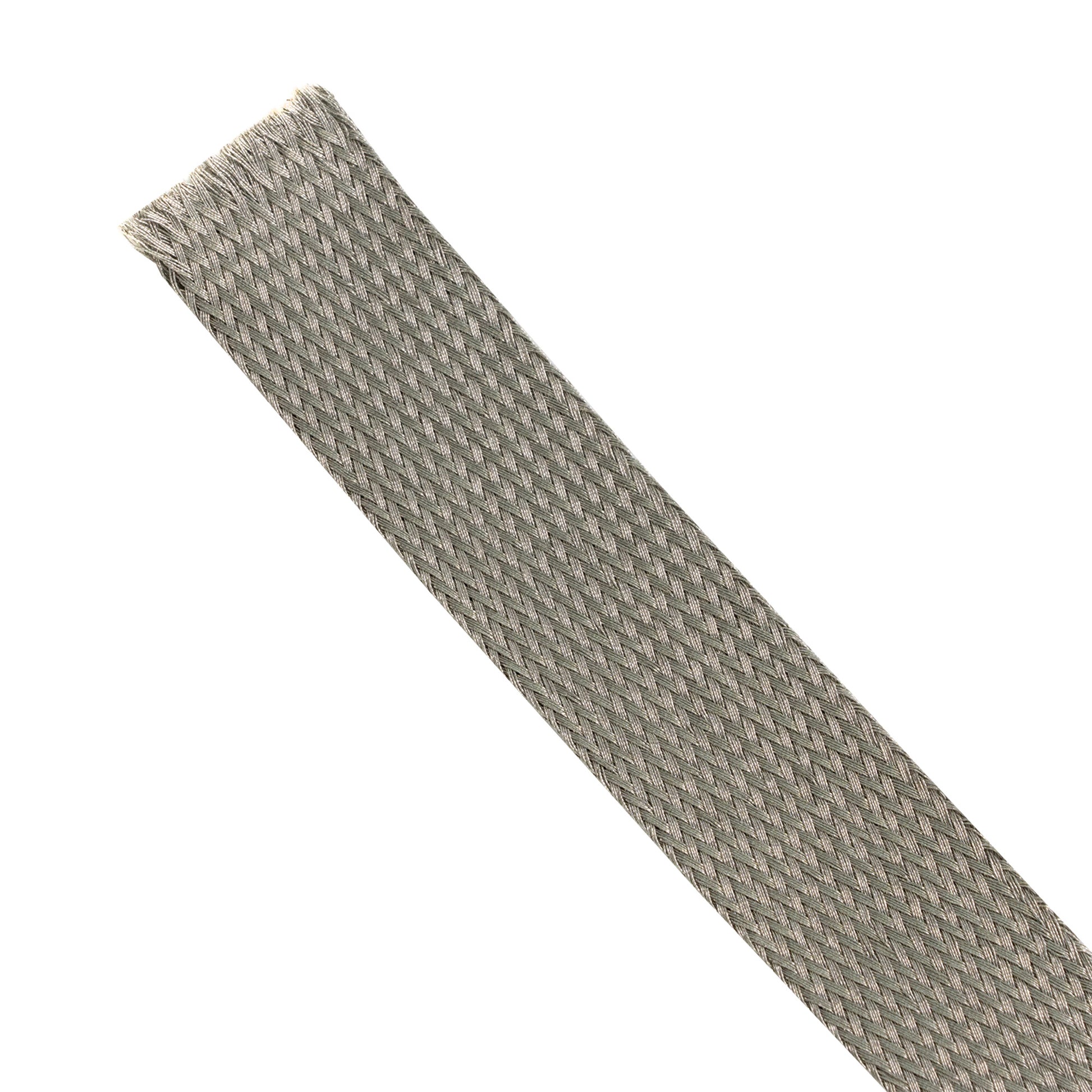
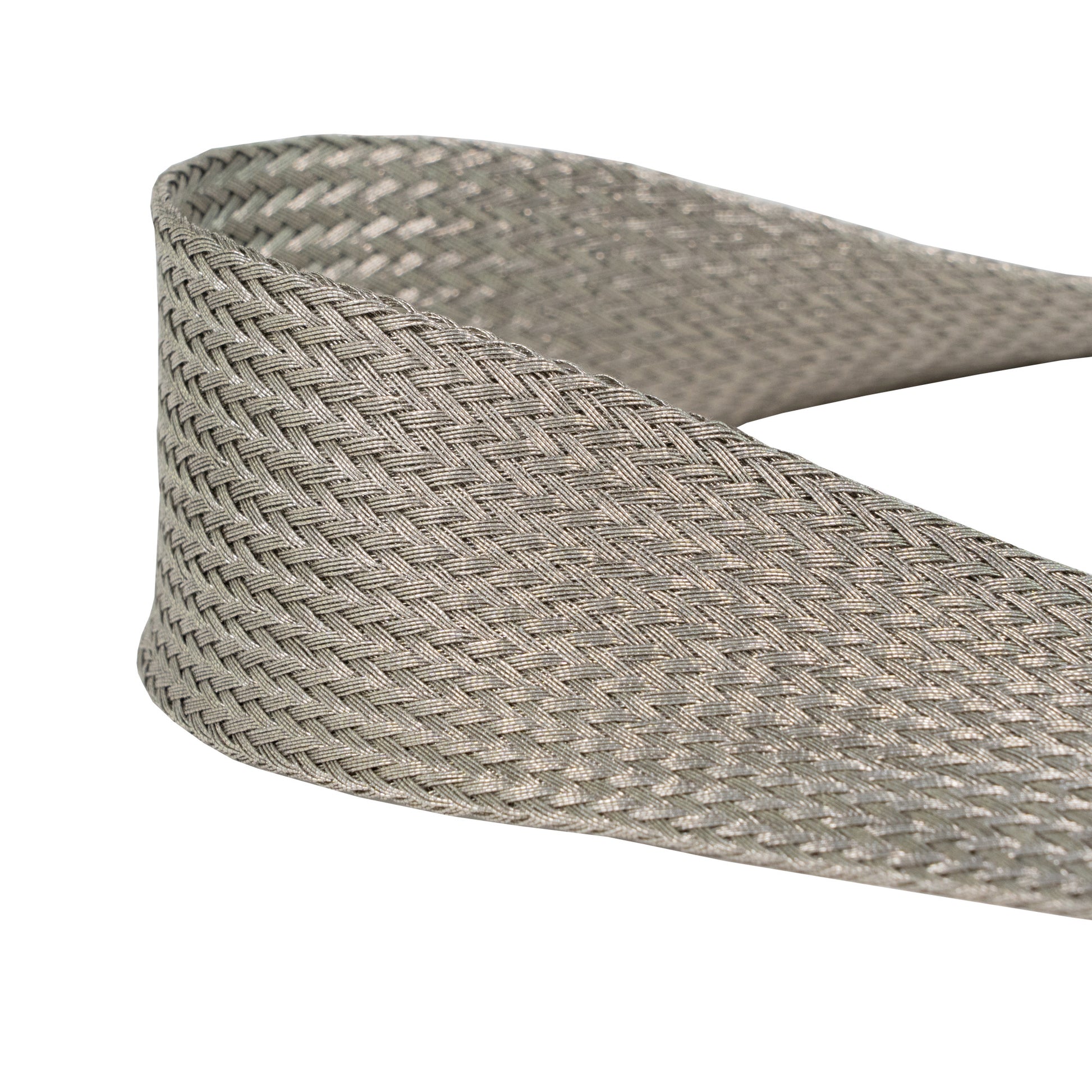
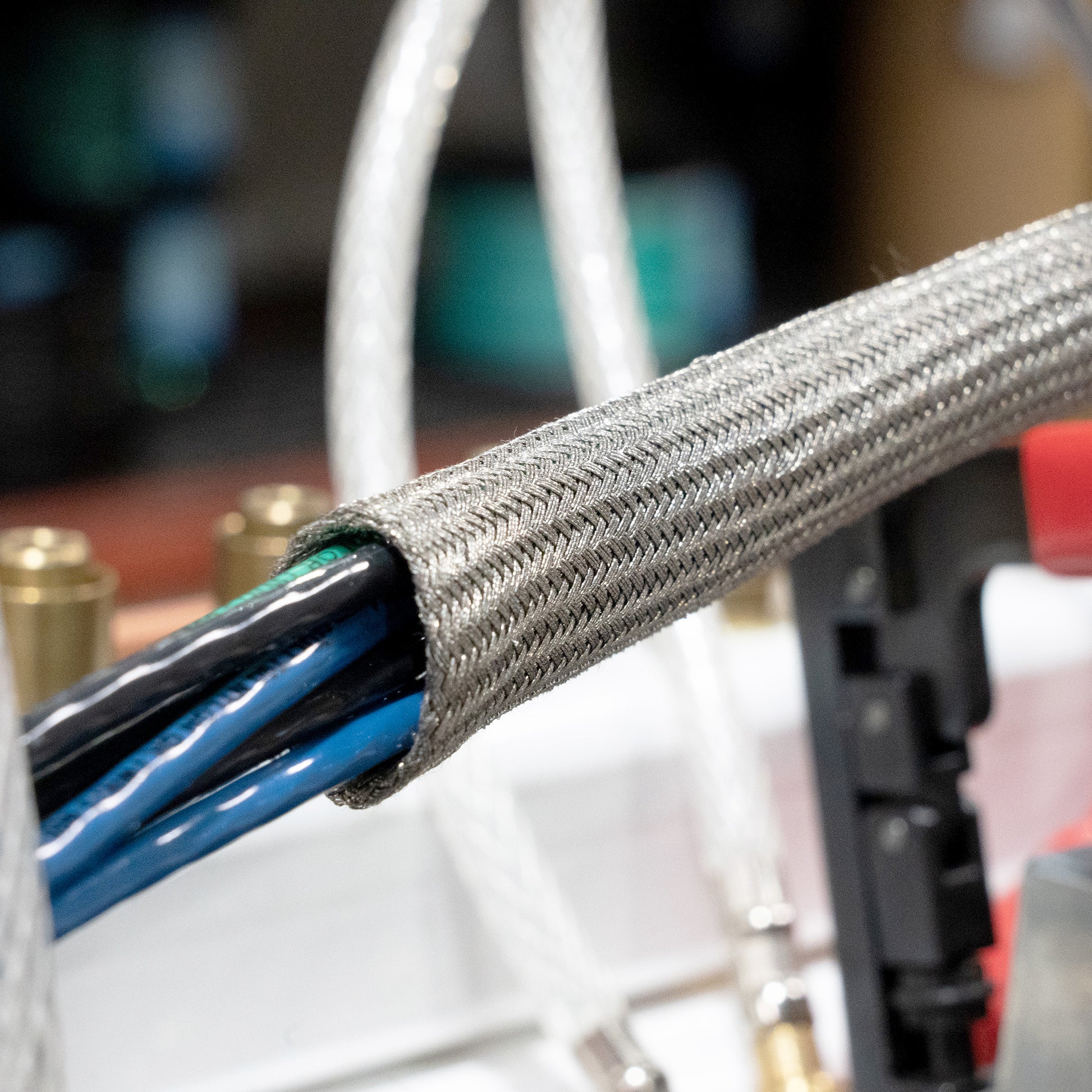
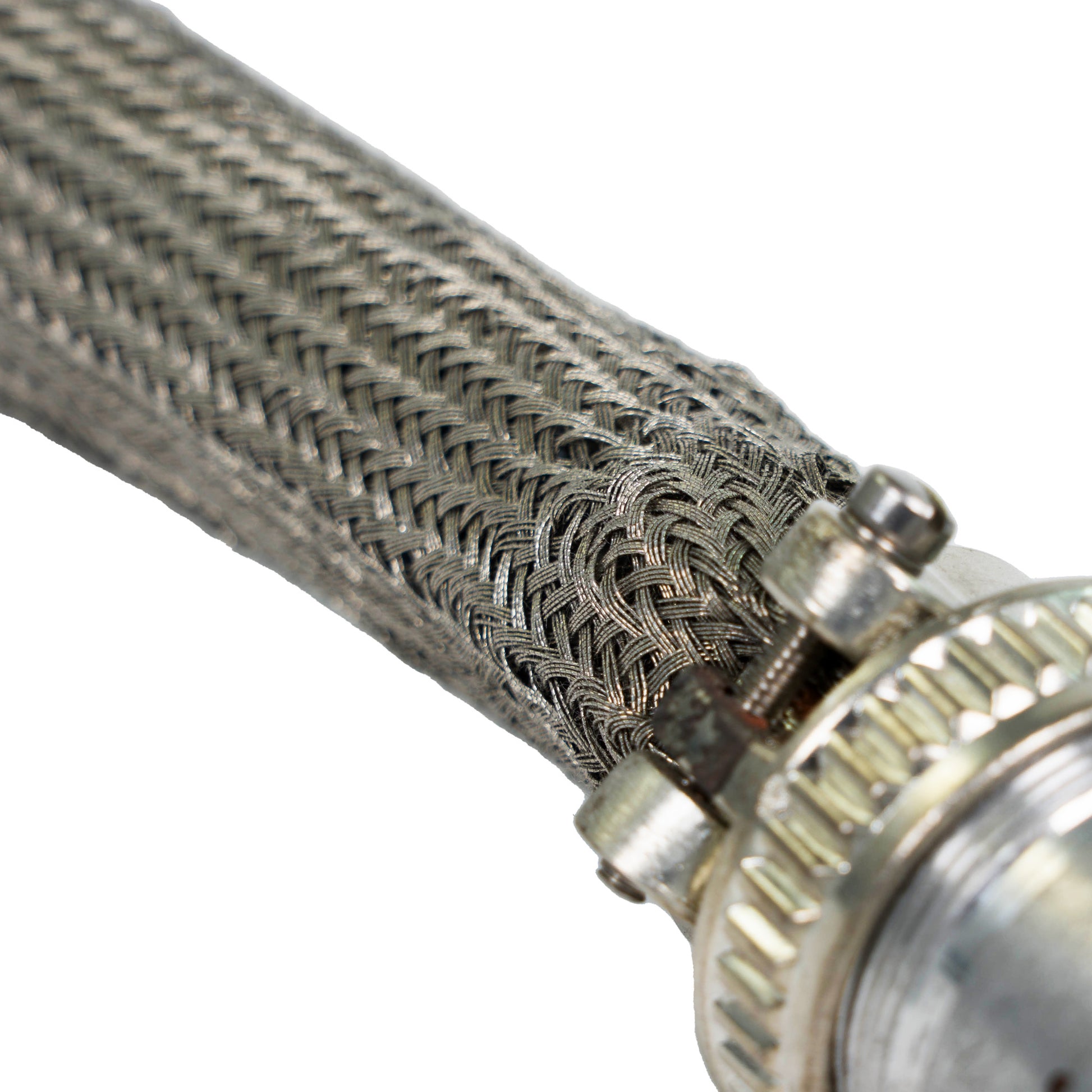
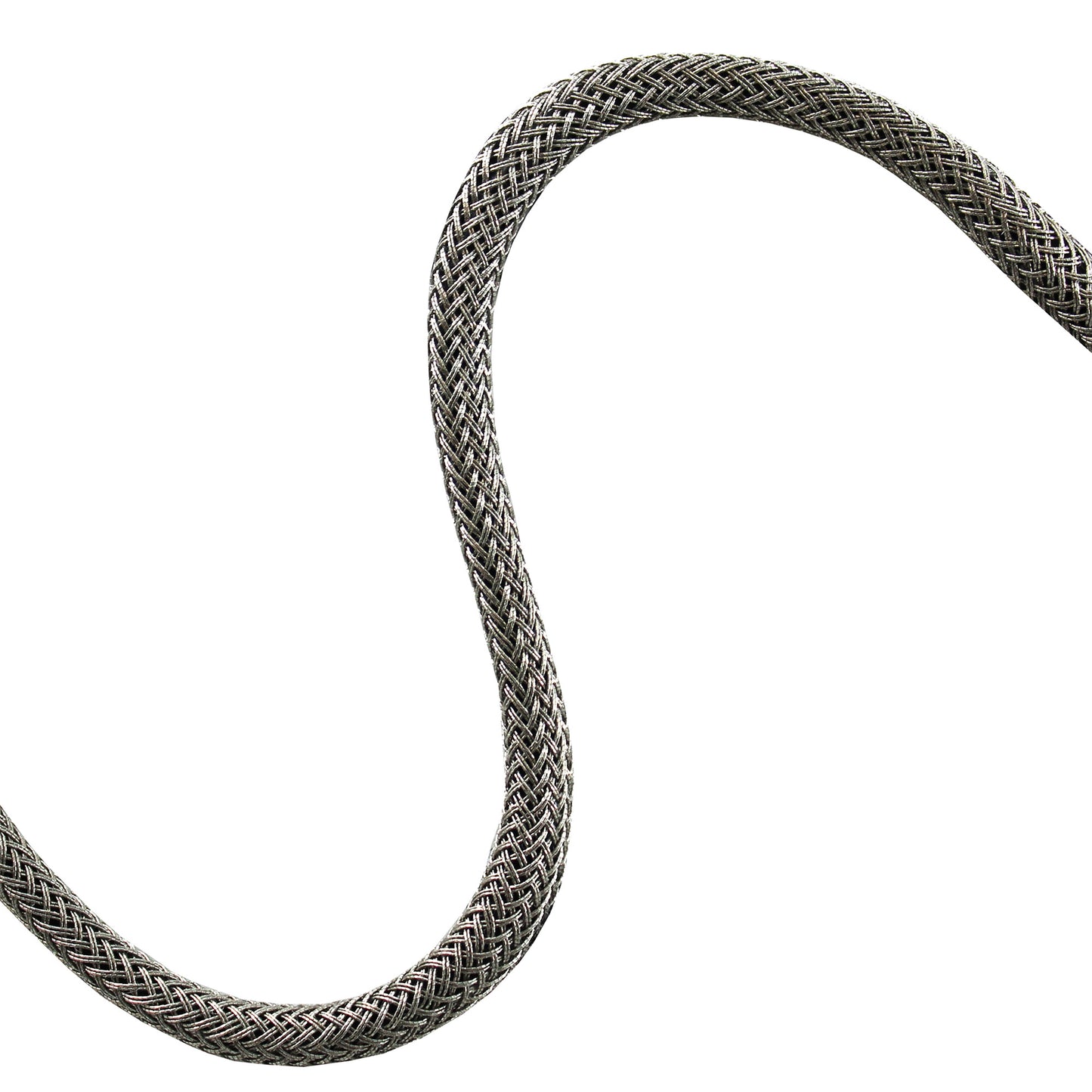
Braided tinned copper braid on aramid fabric for highly flexible EMI and RF shielding of cable systems.

Material Specification: z shield flex

Part Number: 0559

Select Product Options

View full details

Overview

Z-Shield-Flex_Info
Advantages
  • Enclosed design – ideal for permanent EMC installations
  • Highly flexible aramid fabric with tinned copper mesh
  • High shielding effectiveness: up to 73 dB at 500 MHz
  • Lightweight, easy to process
  • UL certified (VW-1 No. E154480)
  • Temperature range -15°C to +120°C
  • Available for cable diameters from 3 to 40 mm
Application
  • IT and communication systems
  • Electronic devices in industry and medicine
  • Office electronics with RF sensitivity
  • Internal shielding of signal lines
  • arms industry
  • Applications without retrofitting requirements

Z-Shield-Flex is an easy-to-install, closed EMC braided sleeving for shielding electronic cables against high-frequency interference. The construction consists of an aramid fabric with an overlying tinned copper braid. The product is UL listed (VW-1 No. E154480) and is characterized by high flexibility, low weight, and excellent shielding performance.

The attenuation performance ranges from 50 to 73 dB, depending on the diameter and frequency. The conduit is not designed to be opened and is therefore particularly suitable for permanent installations where no subsequent cable installation is required. It is temperature resistant from -15°C to +120°C. Z-Shield-Flex is available in diameters from approximately 3 to 40 mm.
Material Specification

ZT-xZ-Shield-Flex, braided EMI shielding sleeve

Advantages

  • Enclosed design – ideal for permanent EMC installations
  • Highly flexible aramid fabric with tinned copper mesh
  • High shielding effectiveness: up to 73 dB at 500 MHz
  • Lightweight, easy to process
  • UL certified (VW-1 No. E154480)
  • Temperature range -15°C to +120°C
  • Available for cable diameters from 3 to 40 mm

Application

  • IT and communication systems
  • Electronic devices in industry and medicine
  • Office electronics with RF sensitivity
  • Internal shielding of signal lines
  • arms industry
  • Applications without retrofitting requirements

ZT-xZ-Shield-Flex, braided EMI shielding sleeve

Specifications subject to change without notice. All statements and technical information contained herein are based on tests we believe to be reliable, but the accuracy or completeness is not guaranteed under all circumstances. Before using Zippertubing® products, the user shall determine suitability for the intended use, and user assumes all responsibility for improper selection. Published attenuation values of Zippertubing® shielding have been verified by laboratory testing of the respective shielding materials. Actual installed attenuation values may differ due to installation techniques and final assembly operation parameters which are beyond the control of Zippertubing®. Actual attenuation values can only be determined by the end user testing the completed assembly. U.S. and International Patents and patents pending. © The Zippertubing® Company, Chandler, Arizona.

ZT-xZ-Shield-Flex, braided EMI shielding sleeve

Specifications are subject to change without notice. All statements and technical information contained herein are based on tests we believe to be reliable, but accuracy or completeness cannot be guaranteed under all circumstances. Before using Zipper-Technik products, the user must determine suitability for the intended use and assumes full responsibility for improper selection. Zipper-Technik shielding published attenuation values ​​have been verified by laboratory testing of the respective shielding materials. Actual installed attenuation values ​​may vary due to installation techniques and final assembly parameters that are beyond Zipper-technik's control. Actual attenuation values ​​can only be determined by the end user testing the finished assembly.